

Pelletizing Equipment: A Key Technology for South Africa’s Processing and Manufacturing Industries
Pelletizers play a vital role in South Africa’s processing and manufacturing landscape, particularly in plastics recycling, polymer production, animal feed, biomass, and chemical processing. As local industries focus on efficiency, material recovery, and consistent product quality, pelletizing equipment has become essential for converting raw or recycled materials into uniform, easy-to-handle pellets. At EquipmentTrader, an online marketing platform for manufacturing and processing equipment, we connect South African buyers with pelletizers suited to a wide range of industrial applications.
What Is a Pelletizer and How Does It Work?
A pelletizer is a machine designed to transform materials—typically in molten, powdered, or granulated form—into small, uniform pellets. The pelletizing process improves material consistency, simplifies storage and transport, and supports downstream processing such as extrusion, injection molding, or packaging.
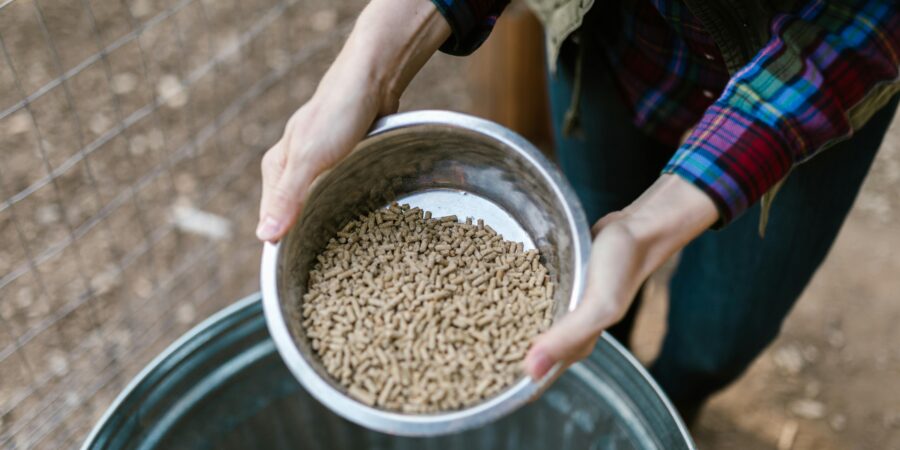
In plastic processing, pelletizers are often used after extrusion to cut molten polymer strands into uniform pellets. In animal feed and biomass applications, pelletizers compress powdered materials through a die to form dense, durable pellets. Regardless of application, pelletizing equipment ensures size uniformity and improved flow characteristics, which are critical for efficient manufacturing operations.
Importance of Pelletizers in South Africa
Pelletizers are particularly important in South Africa due to the country’s strong focus on recycling, agriculture, and resource optimisation. In the plastics industry, pelletizers enable manufacturers and recyclers to convert plastic waste into reusable raw material, supporting circular economy initiatives and reducing landfill dependence.
In agriculture and feed production, pelletizers help improve feed quality, reduce dust, and ensure consistent nutritional content. With rising feed costs and increasing demand for efficiency, pelletizing equipment allows producers to maximise output while minimising waste.
Biomass pelletizers are also gaining traction as South Africa explores alternative energy sources. Pellets made from agricultural waste, wood residues, or organic by-products offer a cleaner and more compact fuel source for heating and energy generation.
Key Benefits of Using Pelletizing Equipment
One of the primary advantages of pelletizers is consistency. Uniform pellets ensure predictable processing behaviour in downstream equipment, reducing machine wear and improving production stability. Pelletized materials are also easier to store, transport, and measure, leading to improved logistics and reduced handling losses.
From a cost perspective, pelletizers enable material recovery and reuse, which is particularly valuable in recycling operations. By converting scrap or waste into usable pellets, manufacturers can significantly lower raw material costs and improve sustainability performance.
Types of Pelletizers Available
Pelletizers are available in several configurations, depending on the material and application:
- Strand Pelletizers commonly used in plastic extrusion lines
- Underwater Pelletizers for high-capacity polymer processing
- Die-Face Pelletizers for continuous pellet formation
- Feed and Biomass Pellet Mills for agricultural and energy applications
Through EquipmentTrader, buyers can compare new and used pelletizers, evaluate capacities, and connect with suppliers offering solutions tailored to South African industry needs.
Factors to Consider When Buying a Pelletizer
When selecting a pelletizer, businesses should consider material type, required throughput, pellet size, and energy consumption. Durability is especially important in South African operating conditions, where equipment must handle variable material quality and extended production cycles.
Energy efficiency and ease of maintenance are also key considerations, particularly in environments affected by load shedding. Access to local technical support, spare parts, and operator training can significantly impact long-term performance and uptime.
Automation and Process Integration
Modern pelletizers often feature automated cutting systems, temperature control, and digital monitoring. These technologies improve pellet quality, reduce operator intervention, and ensure consistent production. Integration with upstream and downstream equipment further enhances overall plant efficiency.
EquipmentTrader Supporting Smarter Equipment Sourcing
Choosing the right pelletizer is a strategic investment. EquipmentTrader simplifies the procurement process by providing a central platform where South African manufacturers and processors can explore equipment options, compare suppliers, and make informed purchasing decisions.
Pelletizers are essential machines across multiple South African industries, enabling efficient material processing, recycling, and production consistency. By investing in the right pelletizing equipment, businesses can improve efficiency, reduce waste, and support sustainable growth. Through EquipmentTrader, manufacturers gain access to reliable pelletizer solutions that meet the demands of modern processing operations.


